


Our Firm
We invest in U.S. multifamily communities, driving growth and impact through data-driven value creation. Our mission is to partner with you in unlocking untapped potential in this market.
Our Approach
We invest in assets with high growth potential using a hands-on management approach to achieve superior property performance and deliver sustainable value.
Value of Assets Acquired
Assets Acquired
Units Acquired
Square Footage Acquired
Renovated Units
Units Under Management
Our Values
Recent Deals
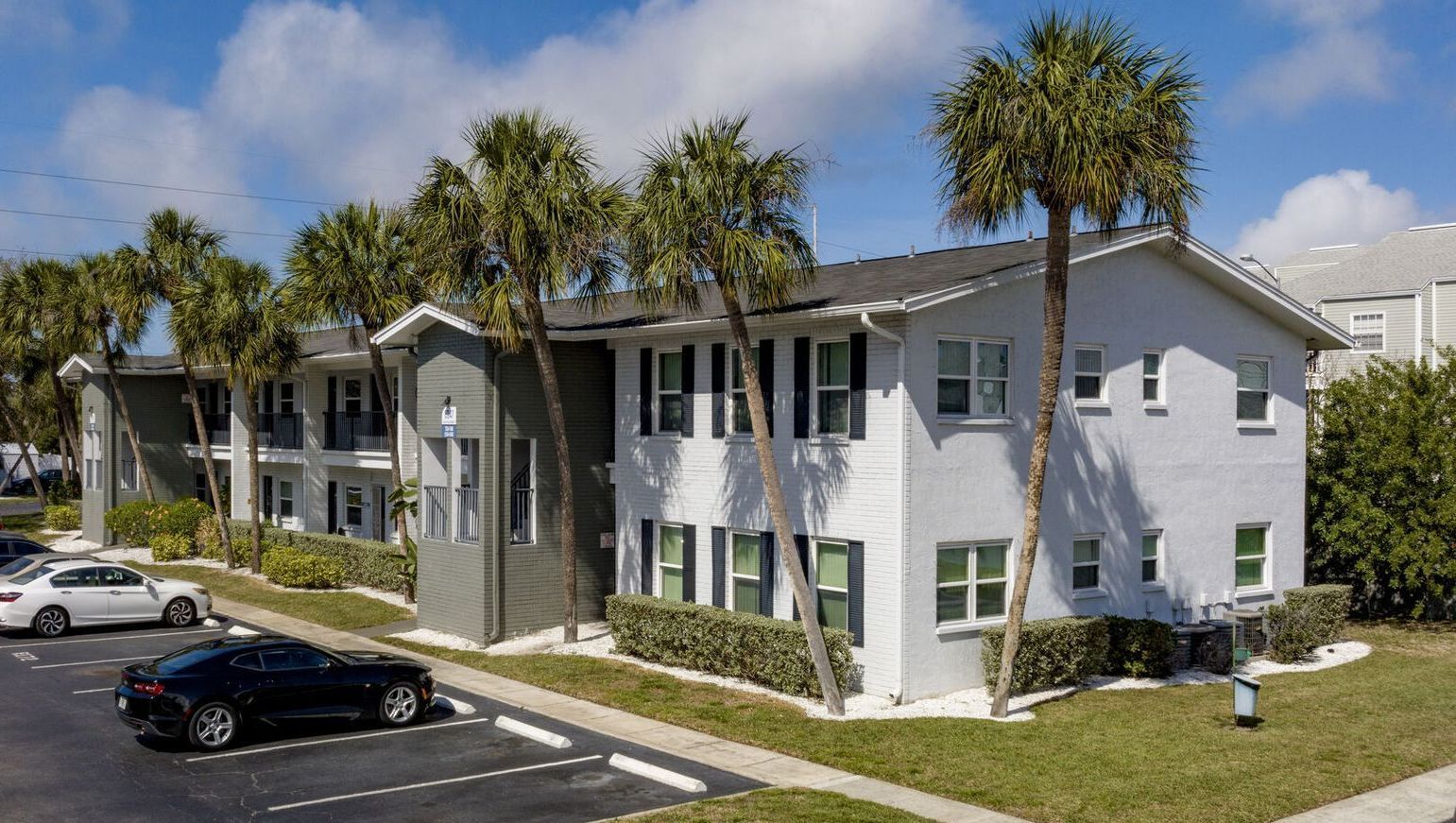
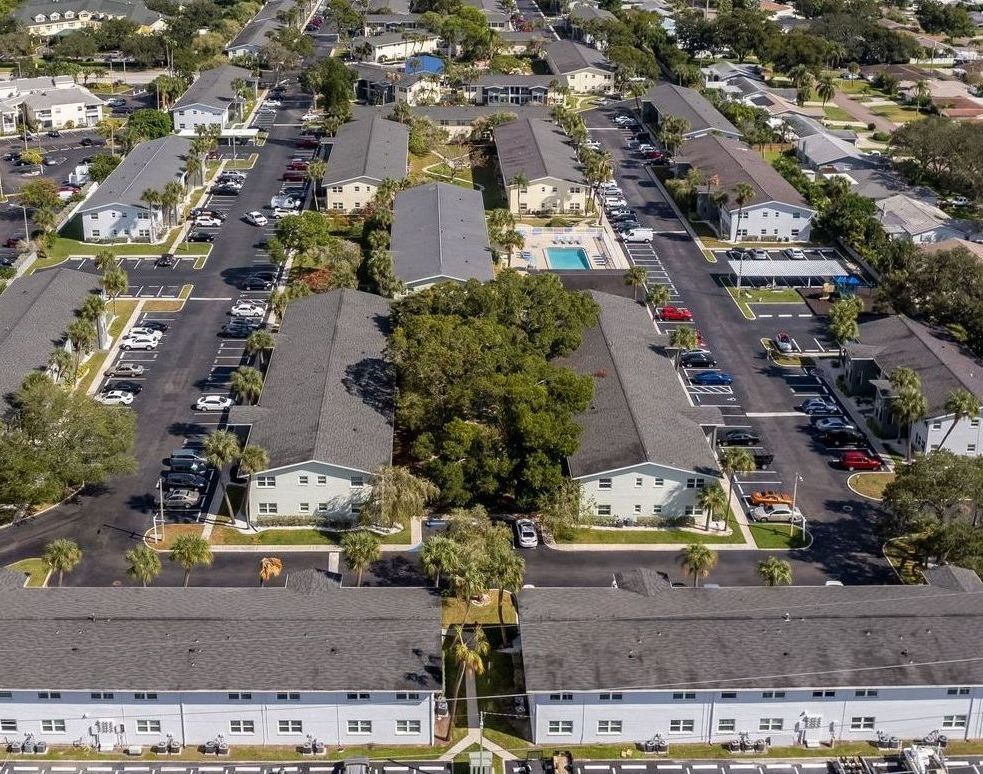
The Drake at St Pete
477-unit multifamily property located in St. Petersburg, Florida
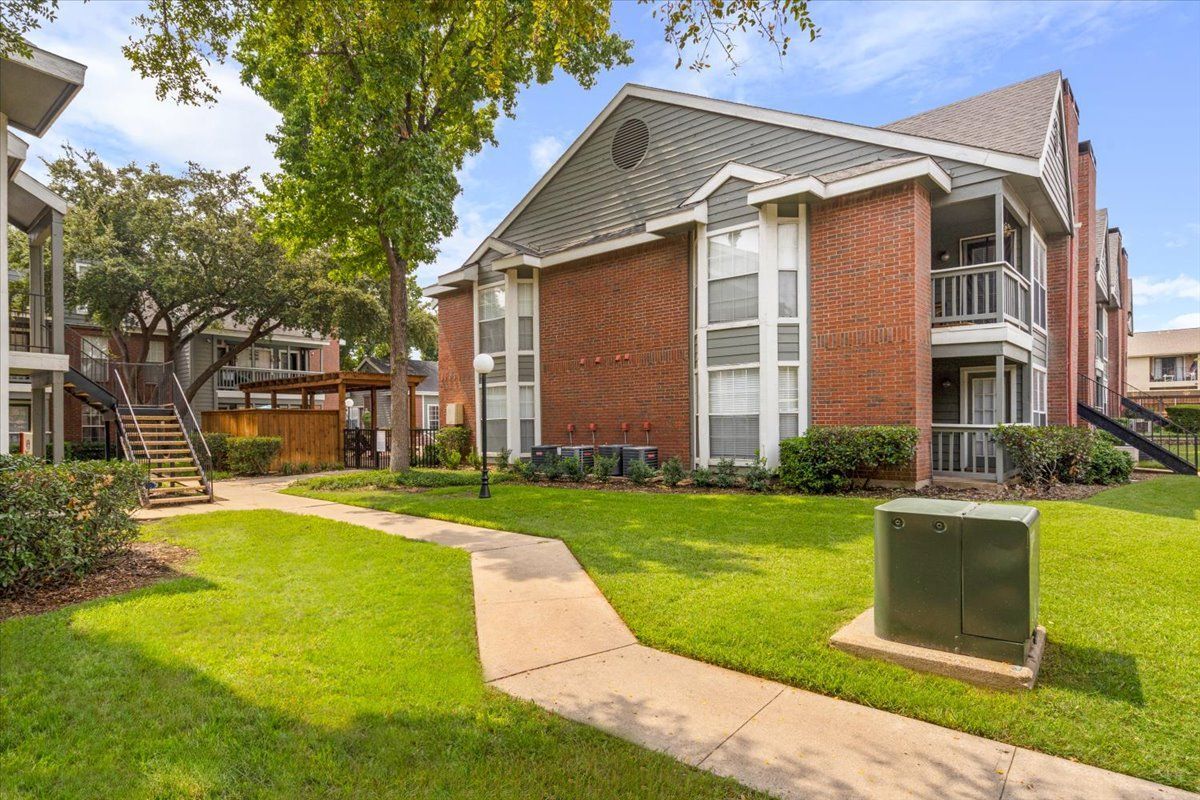
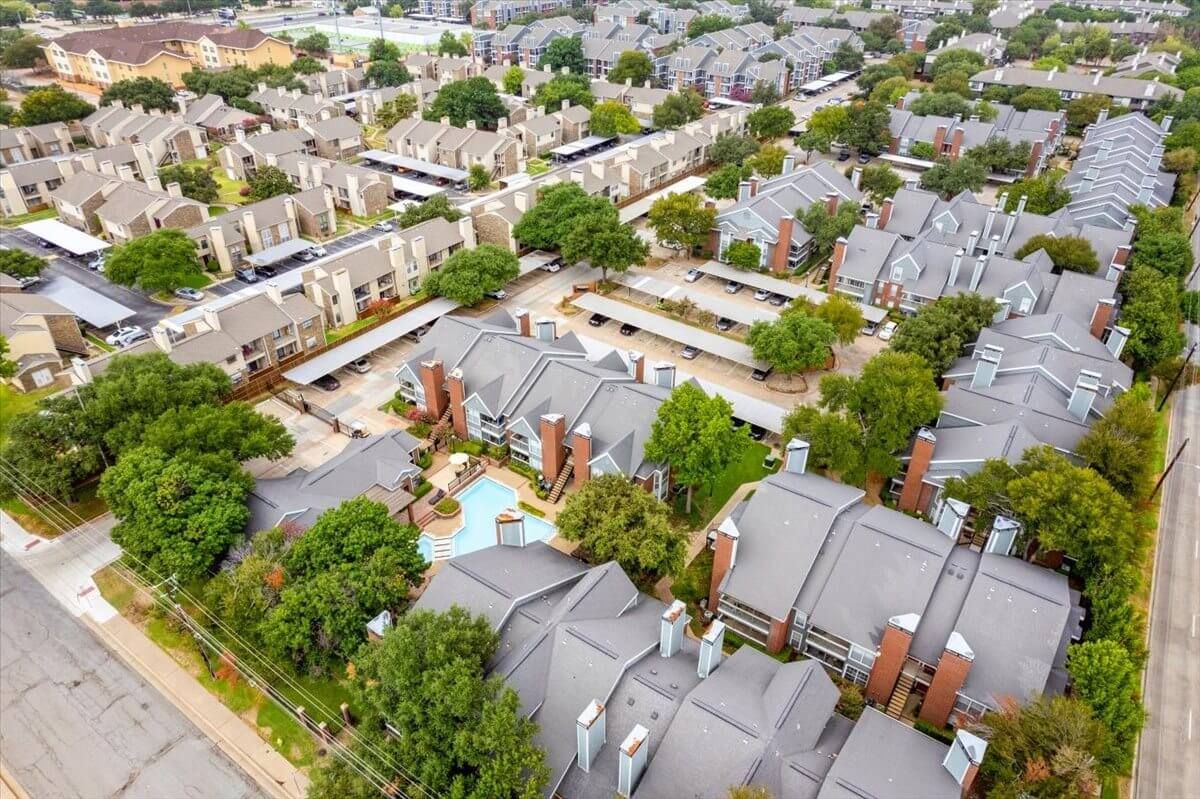
Pear Ridge
168-unit, garden-style multifamily community located in Dallas, Texas
Excelsa in the News

PREFACE ______________________________________________________________________________________________________________________ Excelsa is pleased to present its house view on the current state of the U.S. multifamily sector, highlighting the key dynamics and themes we believe will shape investor outcomes in 2026. Following a challenging three-year cycle, our analysis reflects a more defined perspective on the principal risks facing the sector, alongside emerging opportunities supported by underlying market fundamentals. We hope this perspective proves informative and constructive, and we welcome further dialogue on the insights presented herein. Founded in 2013, Excelsa has developed a strong track record and deep sector expertise in U.S. multifamily real estate. A DIFFICULT THREE YEARS – AND WHY IT IS NOW LARGELY BEHIND US ______________________________________________________________________________________________________________________ Since 2022, the multifamily sector has absorbed the consequences of record construction activity undertaken during the low-rate era following the post-COVID recovery, high inflation increasing operating expenses and capital expense budgets, and one of the quickest and largest increases in interest rates in recent U.S. history. Fueled by cheap capital and strong migration demand, developers pushed supply to a 40-year high, with annual net deliveries peaking above 690,000 units (compared to a fourteen-year historical average of approximately 302,325 units per year) in late 2024.¹ The volume of new apartments hitting the market was without precedent in the modern era, flooding most of the performing markets including the Sun Belt markets and forcing operators into a prolonged defensive posture on pricing and occupancy. For value-add Class B assets the impact was acute. Under normal conditions, a meaningful rent gap insulates Class B properties from the competitive pressure of newly delivered Class A inventory. This cycle proved different. Developers, desperate to lease up new units, offered concessions of three to four months' free rent on twelve-month leases – a level of discounting that compressed effective rents across the entire market and reached into the Class B tier. Combined with sharp increases in insurance, labor, and utilities costs, this environment tested the resilience of even well-managed assets. Property insurance premiums in many Southeast markets doubled or more between 2022 and 2024, driven by climate-related risk repricing and carrier withdrawals. 2,3 Payroll costs rose sharply as a tight labor market pushed maintenance and management wages higher. Simultaneously, the Federal Reserve’s most aggressive tightening cycle in four decades drove the federal funds rate from near zero to over 5% between early 2022 and mid-2023 4 , with the average commercial real estate loan rate reaching approximately 6.2% by 2025 5 – compared to roughly 3.5% on much of the debt originated just years earlier. 6 This rate shock effectively froze the transaction market for nearly three years, as buyers and sellers could not agree on valuations, and owners with maturing debt faced refinancing costs that eroded equity. The combination of compressed revenues, elevated operating costs, and a hostile capital market environment created the most challenging operating conditions the multifamily sector has experienced since the early 1990s. That period is now drawing to a close. Annual supply had already fallen to approximately 530,000 units in 2025, and is expected to decline a further 36% in 2026 to approximately 333,000 units – the lowest level since 2014.¹ Construction starts have hit their lowest point in over a decade, pressured by declining rents, higher capital costs, and tighter lending standards. The chart below illustrates the scale of the supply wave and its expected decline.
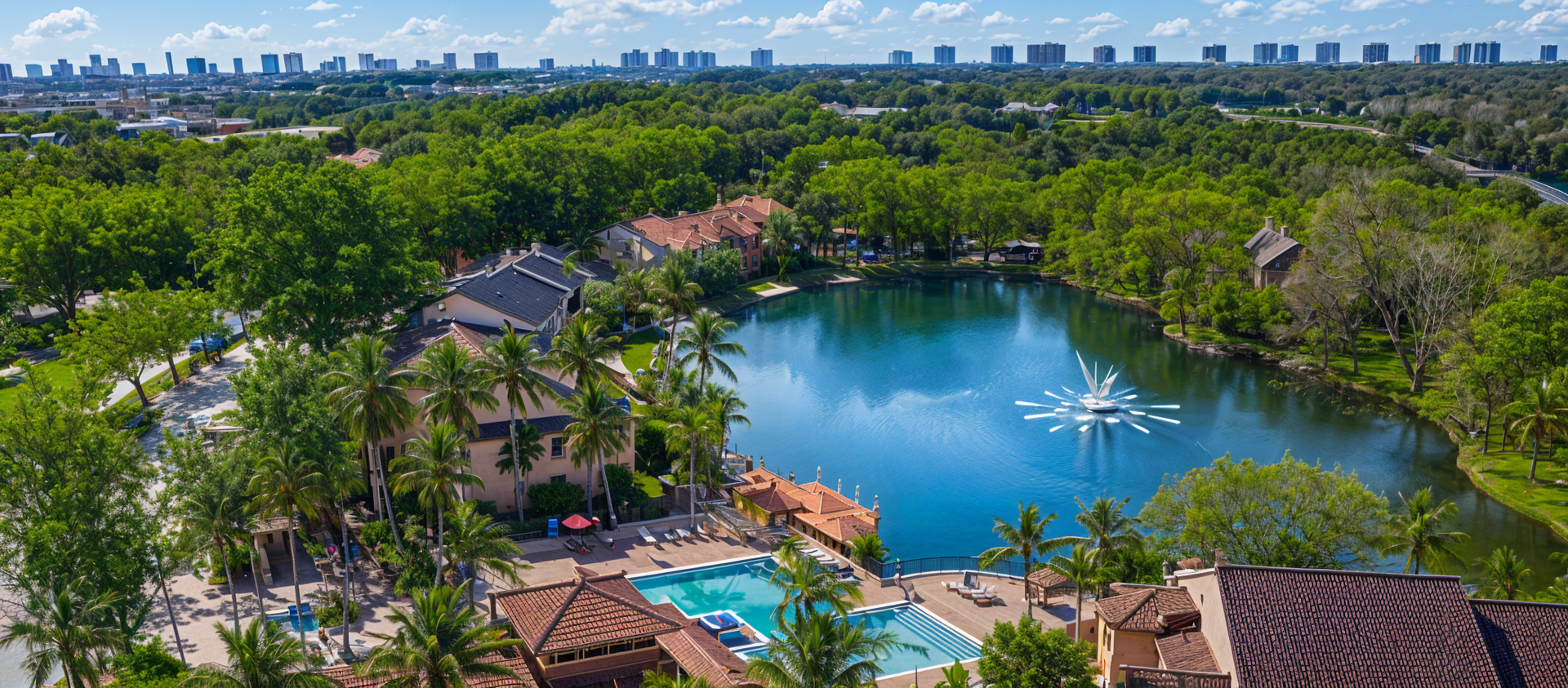
NAPLES, FL, June 13 2025, Excelsa Properties announced today that it has acquired Oasis Naples, a 216-unit multifamily property located at 2277 Arbour Walk Circle in the heart of Naples, Florida. The acquisition represents the seventh multifamily property acquisition of Excelsa US Real Estate II, LP and the 20th multifamily acquisition across its portfolios. The property was jointly acquired by Excelsa US Real Estate II, LP and an Excelsa co-investment vehicle.
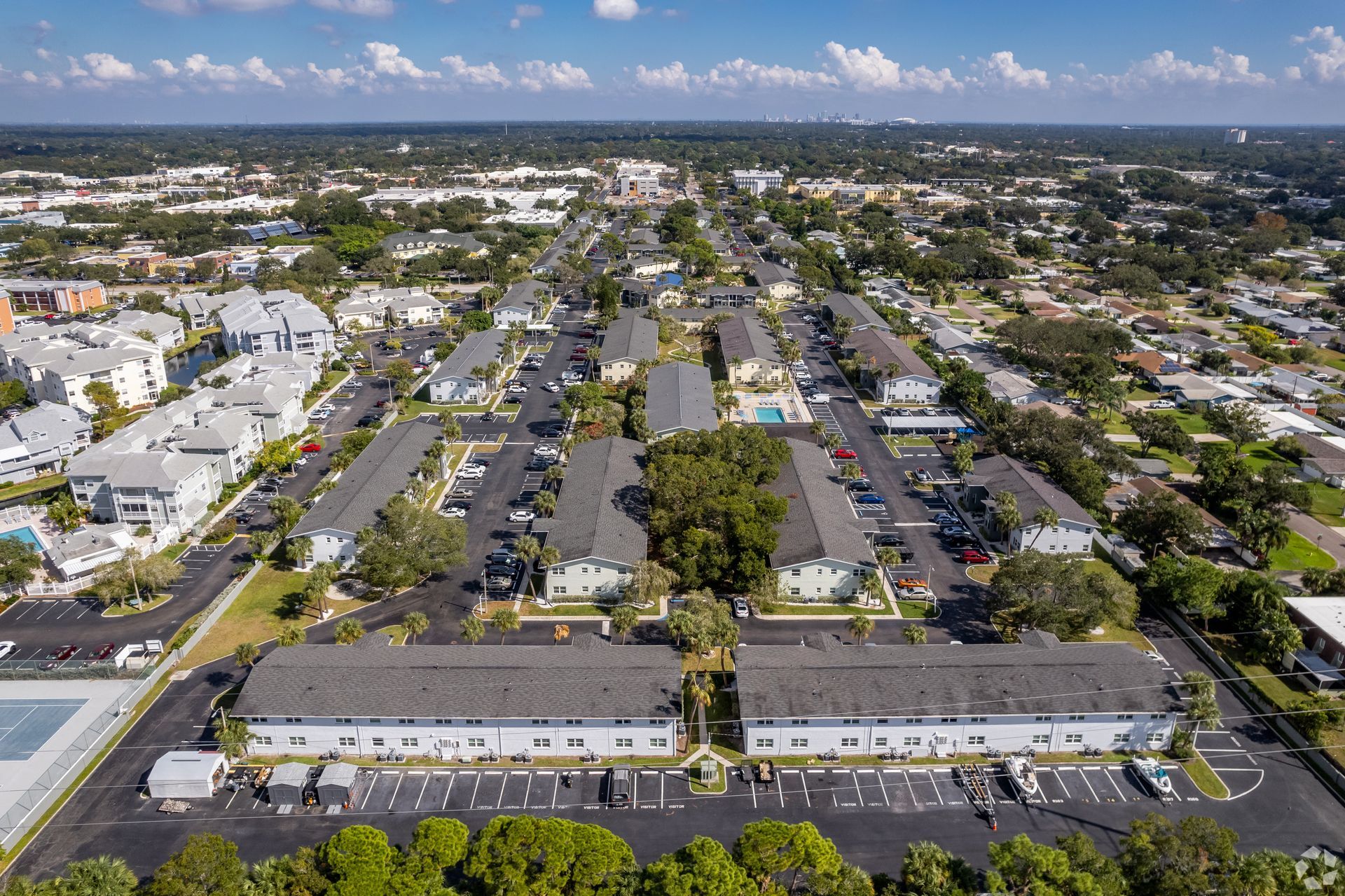
ST PETERSBURG, FL, July 17, 2024, Excelsa Properties announced today that it has acquired The Drake at St Pete, a 477-unit multifamily property located at 1699 68th Street North, St Petersburg, Florida. The acquisition represents the sixth multifamily property acquisition of Excelsa US Real Estate II, LP and the 19th multifamily acquisition across its portfolios. The property was jointly acquired by Excelsa US Real Estate II, LP and an Excelsa co-investment vehicle.
